
Seasonal driving
Winter EV Range and Charging: What Actually Helps
An evidence-based cold-weather checklist covering preconditioning, speed, cabin heat, tire pressure, arrival charge, and fast-charging behavior.
Reviewed September 3, 2026 · 10 min read
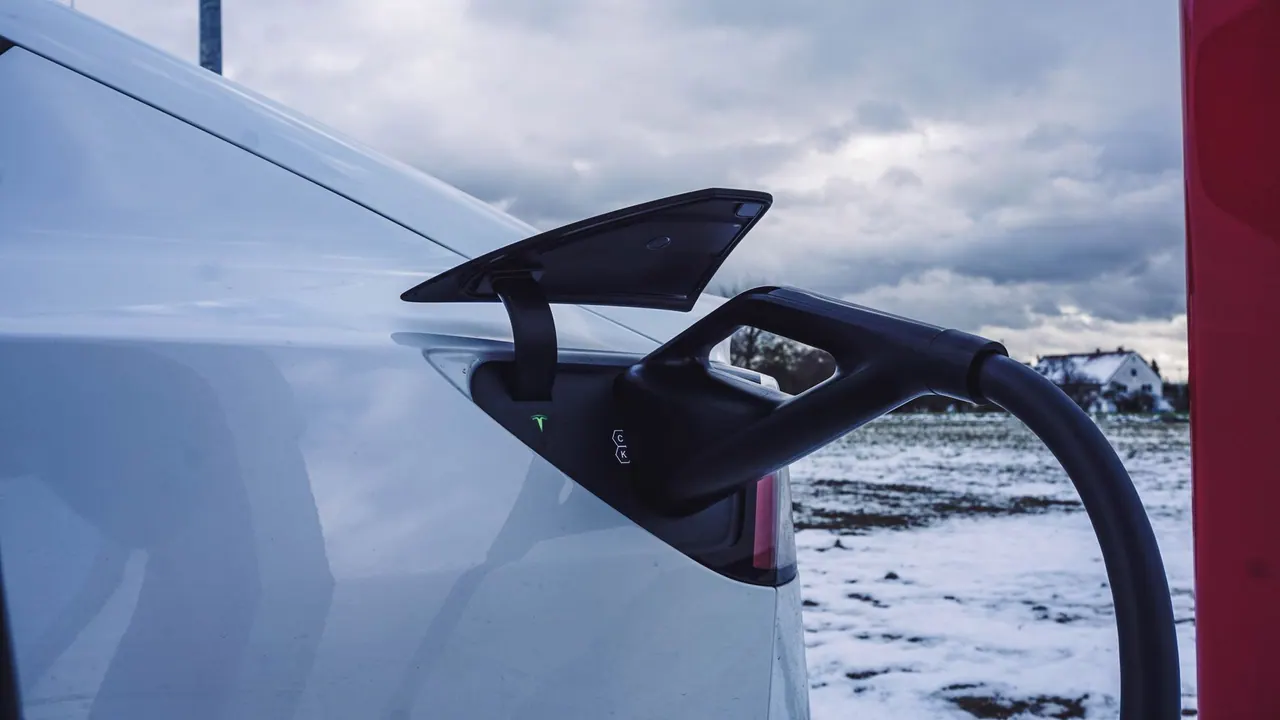
Cold weather changes both sides of an EV trip: the car uses more energy to move and heat the cabin, while a cold battery may accept charging more slowly. The useful response is not anxiety or a universal range-loss number. It is preconditioning, a route-specific buffer, realistic speed, and choosing the next charger before the battery is nearly empty.
Why winter affects an EV
Battery chemistry is temperature-sensitive. The vehicle may spend energy warming the pack and limit power until the battery reaches an appropriate range. Cabin heat, window defrosting, denser cold air, winter tires, snow, slush, and lower tire pressure can all raise energy use. Short trips can be disproportionately inefficient because the vehicle repeatedly warms itself.
The exact effect depends on the vehicle and conditions. A mild wet day, a dry interstate drive at 0°F, and repeated five-mile errands are different problems; one percentage cannot describe all three.
Precondition while connected
When possible, warm the cabin and battery while the car is still connected to charging equipment. This can use grid energy instead of spending as much stored battery energy immediately after departure. Follow the owner’s manual because scheduling behavior and battery preparation differ by vehicle.
For a fast-charging stop, use the built-in navigation workflow if that is how your vehicle activates battery preconditioning. Selecting the station only a minute before arrival may not provide enough preparation time.
Plan with live consumption, not summer memory
Begin with a larger arrival buffer than you would use in mild weather, especially where charging options are sparse. Watch the vehicle’s projected arrival charge and recent miles per kWh after the first 30 to 60 minutes. If the buffer is shrinking, reduce speed where safe, shorten the next leg, or select an earlier backup.
Wind and road conditions can change quickly. Treat the last safe compatible station as a decision point rather than assuming the original itinerary must be preserved.
Expect a different charging curve
A cold battery may start well below the charger’s rating and increase power as it warms. That does not automatically mean the charger is broken. Conversely, persistently abnormal power can still reflect equipment trouble, site sharing, or a vehicle-charger communication problem.
NREL’s review of charging in extreme temperatures cites research where moving from 20°C to 0°C increased charging time substantially, and where battery preconditioning improved a cold session. The magnitude varied with conditions and equipment, reinforcing why model-specific guidance matters.
Use cabin energy deliberately, not miserably
Preheat before departure, use automatic climate control sensibly, and rely on seat or steering-wheel heat when comfortable rather than overheating the whole cabin. Do not compromise visibility: windshield clearing is a safety requirement, not an efficiency option. If carrying passengers, plan energy around their comfort too.
Winter road-trip checklist
- Check tire condition and pressure when cold; use appropriate winter tires where conditions require them.
- Clear snow and ice completely, including lights, sensors, roof, and charge port.
- Carry the charging equipment and approved adapters required by your plan.
- Prefer fast-charging sites with multiple compatible plugs and useful nearby alternatives.
- Keep ordinary winter safety supplies appropriate to the route.
- Recheck station status, access, and weather before entering a low-coverage segment.
When charging above 80% makes sense
Stopping near 80% can save time because charging often tapers, but winter changes the risk calculation. Charge higher when the next reliable site is distant, strong wind or snow is expected, the destination lacks charging, or a road closure could require a detour. The right departure percentage is the one that covers the leg and a defensible buffer.
Find nearby alternatives before departure and use the charging time calculator to understand why the last part may take longer.