
Charging costs
What Does EV Charging Really Cost in 2026?
Understand per-kWh pricing, time fees, idle fees, memberships, charging losses, and why the cheapest-looking station is not always cheapest.
Reviewed September 3, 2026 · 9 min read
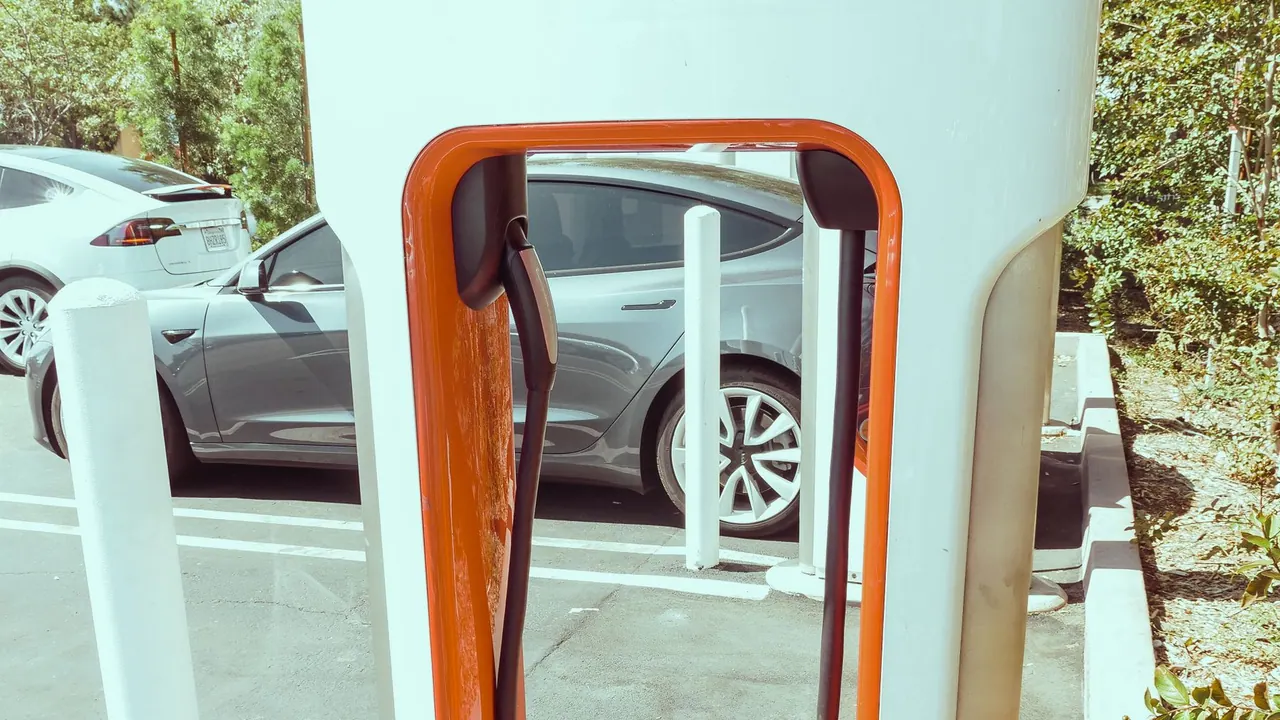
EV charging does not have one national price. Home energy is usually billed per kilowatt-hour under a utility tariff. Public stations may charge per kWh, per minute, per session, through a subscription, or with a combination of energy, parking, tax, and idle fees. The meaningful comparison is the total session cost for useful energy delivered.
The four prices drivers commonly encounter
Home electricity
For many drivers, home charging supplies most annual energy. The U.S. Energy Information Administration forecast an average residential electricity price of 18.2 cents per kWh for 2026, but state and utility prices differ widely. Time-of-use plans can make overnight charging cheaper or make charging during a system peak more expensive. Use the rate on your own bill whenever possible.
Public charging sold by energy
Per-kWh pricing is easiest to compare: multiply delivered energy by the displayed rate. A 42 kWh session at $0.45/kWh costs $18.90 before taxes or other fees. It still matters whether the station reports energy delivered at the charger and whether a membership changes the unit price.
Public charging sold by time
With per-minute pricing, a slow session can cost more even when it delivers the same energy. Battery temperature, a high starting state of charge, a vehicle’s lower acceptance limit, or shared site power can therefore change both time and cost. Compare the expected effective cost per kWh: total session price divided by energy received.
Session, parking, and idle fees
A station may add a connection fee, parking charge, tax, or an idle fee after charging ends. Idle fees exist to encourage turnover, especially at busy fast chargers. Read the confirmation screen before starting and move the car when finished.
Do not forget charging losses
The energy drawn from the wall is greater than the increase stored in the battery. Power electronics, battery conditioning, and other systems consume energy during a session. A Department of Energy comparison estimated roughly 16% loss from wall to battery in the vehicles and test context it discussed; the exact loss in your vehicle depends on equipment, temperature, power level, and operating conditions.
For cost planning, start with 10% if you do not have measured data, then adjust using your charger or utility readings. Our EV trip cost calculator exposes this assumption instead of hiding it.
Worked example: a 500-mile trip
Suppose an EV averages 3.3 miles/kWh. The drive uses about 151.5 kWh at the battery. With 10% charging loss, about 168.4 kWh comes from charging equipment. If 20% is charged at home for $0.182/kWh and 80% at public chargers for $0.45/kWh, the estimated electricity cost is about $66.78.
That example is a model, not a forecast. Faster driving or winter weather may lower efficiency; a hotel may provide free Level 2 charging; a membership may reduce public pricing; parking fees may add cost. Change each number to match the actual route.
How to choose the lowest-cost practical stop
- Confirm connector compatibility and access first. An unusable charger has no bargain price.
- Compare the total displayed price, not only the headline energy rate.
- Estimate the vehicle’s likely power at its arrival percentage. Time pricing punishes a slow charging curve.
- Check whether a paid membership saves more than its monthly cost.
- Value your time. Driving far off-route to save a small amount may not be rational.
Why price transparency is improving
The Joint Office and National Institute of Standards and Technology are working with states on consistent measurement and inspection practices for charging equipment. The goal is similar to a gasoline pump: drivers should be able to trust the quantity measured and compare prices. Adoption and enforcement still vary, so keep the receipt and report material discrepancies to the network or relevant state authority.