
Road trips
How to Plan an EV Road Trip Without Wasting Time
A practical system for choosing charging stops, building a weather buffer, using the fast part of the battery, and preparing a backup.
Reviewed September 3, 2026 · 10 min read
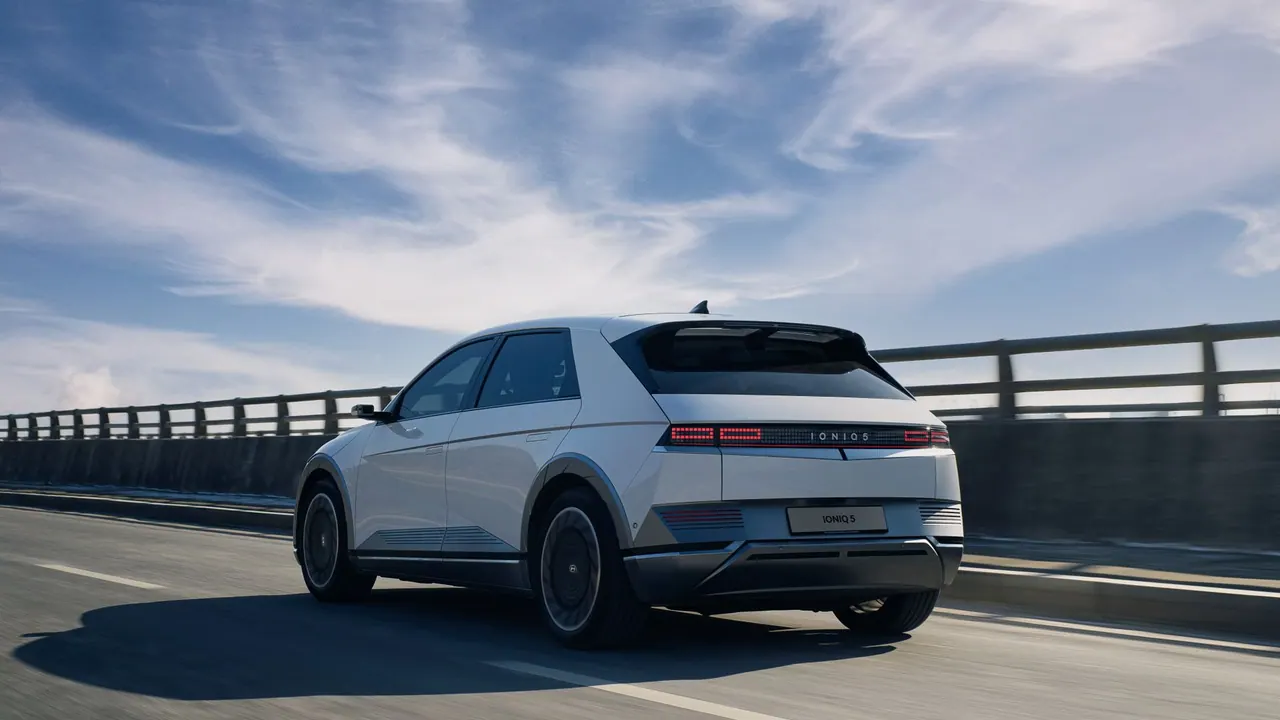
The short version: plan around the next reliable charging stop, not the vehicle’s advertised range. Prefer sites with several compatible fast plugs, arrive with a useful buffer, and leave when you have enough energy for the next leg plus uncertainty. A second viable station near every important stop is more valuable than a perfect minute-by-minute schedule.
1. Start with usable trip energy
EPA range is a standardized comparison, not a guaranteed highway result. Your route planner needs a reasonable trip efficiency based on speed, temperature, wind, elevation, rain or snow, cargo, and towing. If your recent highway consumption is 3.0 miles per kWh, a 180-mile leg requires roughly 60 kWh at the battery before adding reserve.
Use the site’s trip cost calculator to turn distance and efficiency into energy. For route planning, apply a conservative efficiency when conditions are uncertain. A buffer is not wasted range; it is protection against a headwind, a detour, a full site, or a charger that cannot deliver the expected power.
2. Judge the whole charging site
A large number on the cabinet is only one part of a good stop. Check these in order:
- Connector compatibility. Confirm the site has the connector your vehicle can actually use, including any approved adapter requirements.
- Vehicle-compatible power. A 350 kW charger does not make a vehicle with a lower acceptance limit charge at 350 kW.
- Plug count. Several fast plugs give you a better chance of finding a usable port than a single-plug location.
- Access and amenities. Hours, gates, parking restrictions, restrooms, food, lighting, and weather cover can determine whether a technically valid stop is a good stop.
- A nearby alternative. Keep another compatible station within the range you expect to have on arrival.
The Joint Office of Energy and Transportation treats finding and accessing a charger, starting and completing a session, support, and personal safety as distinct parts of the charging experience—not merely whether hardware reports itself online. That is a useful mental model when comparing stops. Read its charging user-experience overview.
3. Use the fast part of the charging curve
DC fast charging is not a constant-rate fuel hose. The car and charger negotiate power, the battery may need to warm or cool, and the vehicle reduces power as state of charge rises. A recent federal road-trip infrastructure analysis notes that modeled charging power generally falls significantly around 80% to 85% state of charge.
That does not make 80% a universal command. Charge beyond it when the next leg, weather, terrain, trailer, or sparse infrastructure demands more range. But if another good charger is comfortably reachable, two sessions in the battery’s faster operating region can take less total time than waiting for the slowest final percentage points. Test the tradeoff with the charging time calculator.
4. Arrive ready to charge
Many EVs can precondition the battery when a compatible fast charger is selected in the built-in navigation system. Follow the vehicle manual: the feature, trigger, and required lead time vary by model. In cold conditions, a warm battery can be the difference between a quick stop and a long one. National laboratory research reviewed real-world evidence that battery preconditioning can materially reduce cold-weather charging time.
5. Build a resilient plan, not a brittle itinerary
Before departure, save the primary and backup stations in the relevant network apps. Verify recent status, access hours, pricing, and payment setup. If an app account is optional, it may still be worth installing ahead of time rather than troubleshooting cellular service beside the highway.
- Leave home with the charge level recommended by your vehicle maker for the trip.
- Recheck weather and energy consumption at the first stop.
- Do not pass your final safe alternative solely to reach a faster charger.
- Move the vehicle promptly when the session is finished.
- Keep the mobile connector or approved adapters your trip may require.
A simple 15-minute planning workflow
- Divide the route into comfortable legs using conservative highway efficiency.
- Find compatible DC fast sites with multiple plugs near each break.
- Check the next-best site around each critical stop.
- Plan arrival and departure percentages rather than charging to 100% by habit.
- On travel day, let actual consumption change the plan.
Start with chargers near your current location, browse the 150 kW+ directory, or search by city, ZIP code, and network.