
Everyday charging
How to Own an EV Without a Garage or Home Charger
A realistic framework for apartment residents: test local charging coverage, calculate weekly demand, talk to property managers, and avoid bad-fit routines.
Reviewed September 3, 2026 · 9 min read
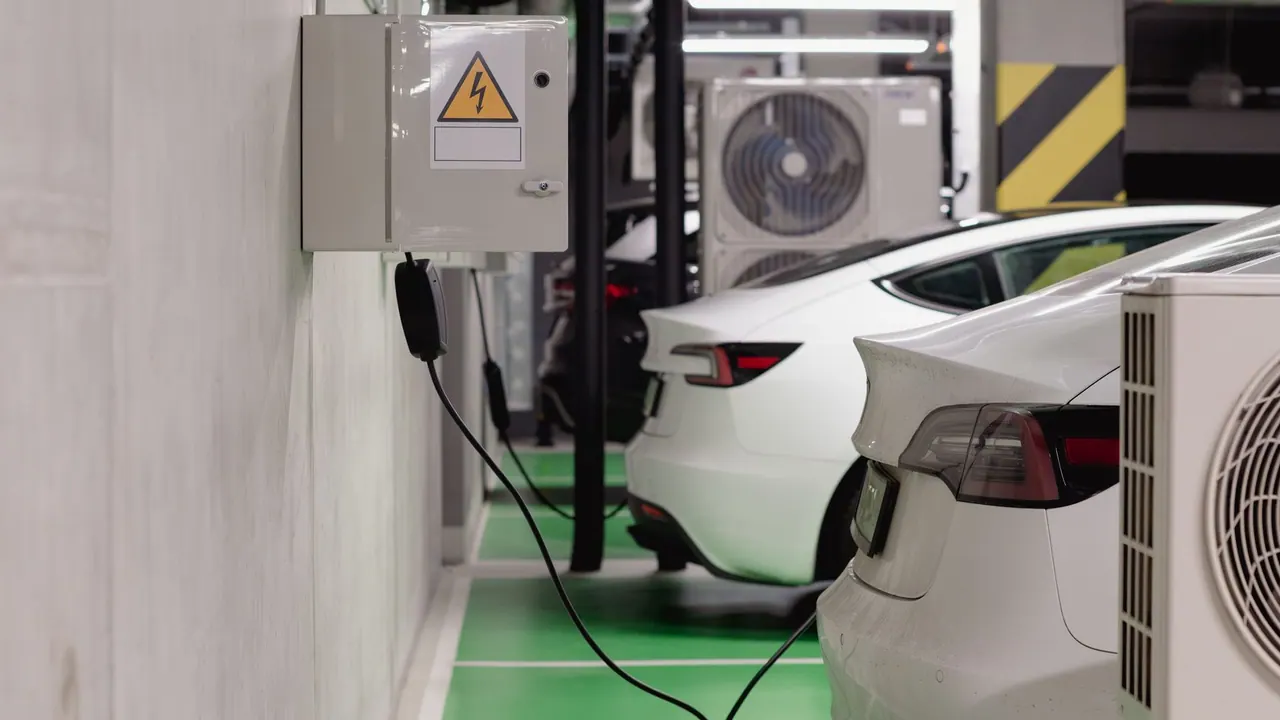
Living without a private garage does not automatically rule out an EV. It does change the purchase decision. The right question is whether charging fits your existing week with enough redundancy—not whether a public fast charger exists somewhere in the city.
Calculate your weekly energy demand first
Divide weekly miles by expected real-world efficiency. At 180 miles per week and 3.3 miles/kWh, the car needs about 55 kWh at the battery. After charging losses, grid energy will be somewhat higher. That might mean one longer public session, several destination-charging sessions, or a small amount added each workday.
Run your pattern through the cost calculator. Public charging may still work financially, but do not compare it only with the cheapest advertised home tariff.
Audit charging around your real routine
Search the places where the car already sits: home, work, a weekly grocery store, gym, library, municipal garage, transit station, and regular family visits. Record connector, power, access hours, parking rules, price, and how many plugs the site has.
Visit the most important site at the hour you would normally use it. A pin on a map cannot tell you whether spaces are routinely occupied, a garage closes early, cellular service is weak, or the walk home feels uncomfortable. Start with the closest charger finder, then inspect network status and the physical location.
Build primary, secondary, and emergency options
- Primary: convenient enough for normal weekly use without rearranging your life.
- Secondary: a different site or network you can use if the primary location is full or offline.
- Emergency: a reliable fast charger that can restore useful range quickly, even if it costs more.
If one broken plug would make you late for work, the charging plan is too fragile.
Ask the property manager a concrete question
“Can I install a charger?” is easy to decline because it hides every operational question. A stronger request identifies the assigned space, nearby electrical room, licensed contractor, equipment rating, metering or reimbursement method, insurance, permits, ownership, maintenance, and what happens when you move.
Multifamily projects have different constraints from single-family homes: panel capacity, long conduit runs, shared parking, accessibility, load management, billing, and resident turnover. The Department of Energy’s multifamily charging resource links guides for residents, owners, managers, and homeowner associations.
Know that laws and incentives vary
Some jurisdictions have “right to charge” rules or define how landlords and associations may handle installation costs, insurance, electricity reimbursement, and restoration. These are state-specific legal questions and change over time. Search the AFDC Laws and Incentives database, then confirm the current statute and local requirements before spending money.
Utilities, states, and municipalities may offer rebates for equipment, electrical upgrades, shared multifamily charging, or make-ready work. Eligibility often depends on address, customer class, approved equipment, and applying before installation.
Consider slower charging in the right place
A nearby Level 2 charger can be more useful than a distant fast charger if the car is parked there for hours anyway. With permission and a suitable dedicated circuit, workplace charging can also turn a normal workday into a full charging window. The Alternative Fuels Data Center notes that workplace charging can range from an approved outlet to installed Level 2 equipment.
Red flags before buying
- The plan depends on a single plug or a single network account.
- The only practical charger requires expensive parking or a long late-night walk.
- You cannot test the advertised access hours.
- Weekly energy demand requires multiple inconvenient fast-charging visits.
- Winter or towing needs leave no range margin to reach alternatives.
Who can make it work well?
Drivers with moderate weekly mileage, dependable workplace or destination charging, several nearby networks, and flexibility over when the car sits often adapt easily. Very high mileage, irregular shifts, towing, extreme weather, or sparse local infrastructure demand a more conservative test.
Try the routine before committing: visit stations, install required apps, compare full session prices, and estimate a month of charging time. Convenience is part of the cost.